
 One Act of Mercy Global
- October 12, 2026
 One Act of Mercy Global
Drug use can raise difficult questions for individuals, parents, partners, employers and families. Sometimes, the concern begins with a change in behaviour. In other situations, someone may need a drug test or a professional assessment to understand their situation and decide what to do next.
Knowing where to start can be challenging. Drug assessment and testing can help provide useful information, but it is important to understand what each involves, what the results can tell you and when further support may be necessary.
At One Act of Mercy Global, drug assessment and testing is one of the service areas to enquire about. Our counselling centres are located in Ongata Rongai and Karen. Contact the team to confirm the available testing options, process, costs and any preparation required before visiting.
What Is Drug Assessment and Testing?
Drug assessment and testing are two related but different processes.
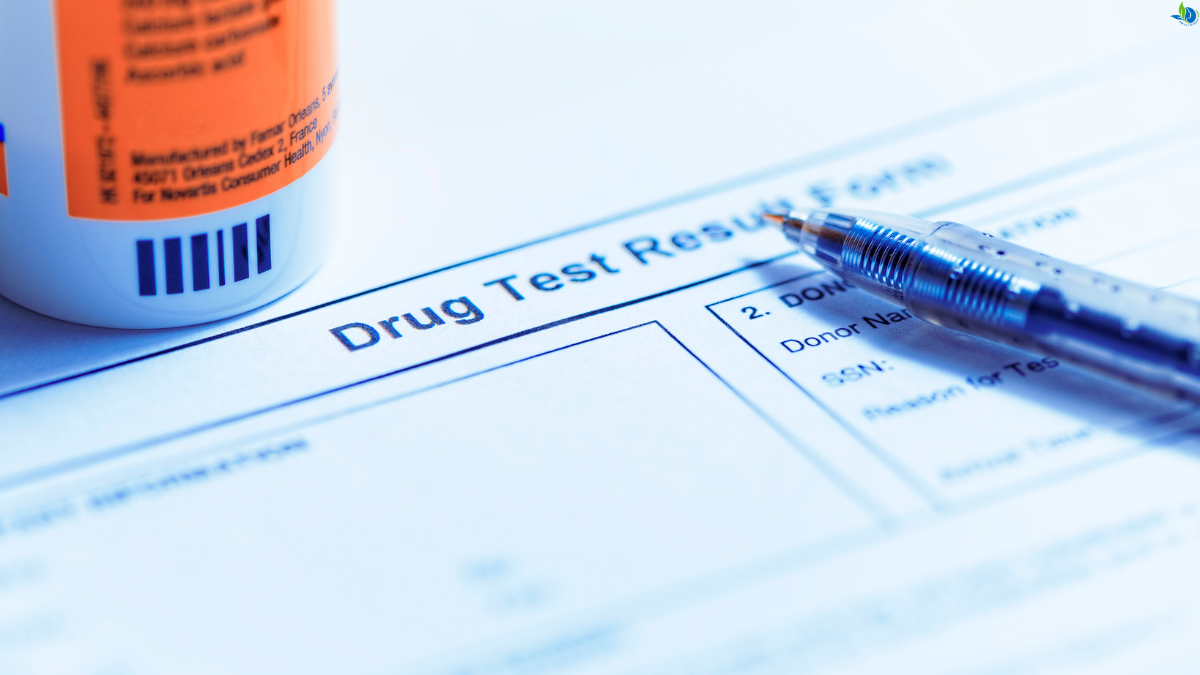
Drug testing checks a biological sample for particular substances or their breakdown products. The type of test used determines which substances can be detected and the period during which they may be detectable.
Drug assessment explores a person’s substance use and its possible effects on their health, relationships, responsibilities and daily life. Depending on the situation, an assessment may consider how often a substance is used, the reasons for using it, any difficulties stopping, and whether further counselling, medical attention or specialist care may be appropriate.
Testing can provide evidence of exposure to certain substances. Assessment helps put information into context and identify possible next steps.
When Might Someone Need Drug Assessment or Testing?
People seek drug assessment and testing for different reasons. These may include:
1. Concerns About Substance Use
A person may be worried about their own use of alcohol or other drugs. They may want a clearer understanding of their situation and whether they need professional support.
2. Changes in Behaviour or Daily Life
Family members may notice changes in sleep, mood, relationships, school performance, work or financial responsibilities. These changes can have many possible causes, so they should not automatically be treated as proof of drug use.
Where substance use is a concern, an appropriate assessment can help clarify what support may be needed.
3. Supporting a Family Member
Parents, partners and other relatives may seek guidance when they are worried that someone they care about is using drugs. Professional support can help them understand their options and approach the situation more constructively.
4. Deciding on the Next Step in Recovery
Someone who has been struggling with substance use may need an assessment to help determine whether counselling, a structured treatment programme, medical evaluation or another form of support should be considered.
The appropriate next step depends on the individual’s circumstances and should not be decided by a test result alone.
What Happens During Drug Testing?
The process depends on the type of test available and the reason for requesting it. Different tests may use different biological samples, and each method has its own capabilities and limitations.
Before arranging a test, ask the provider:
- Which substances does the test check for?
- What type of sample is required?
- How should the person prepare?
- How and when will results be communicated?
- What privacy protections apply?
- What happens if a result is unclear or needs confirmation?
These questions help you understand what the test can reasonably establish before making decisions based on the result.
Contact One Act of Mercy Global to confirm the testing methods currently available, any requirements before an appointment, and the associated costs.
What Does a Drug Test Result Mean?
Understanding the limits of drug testing is essential. A result needs to be interpreted in relation to the test used, the substance being tested for and the circumstances surrounding the test.
A Positive Result
A positive result may indicate that the test detected a substance or a related marker within its detection limits. It does not, by itself, establish that a person has an addiction, is currently impaired, or needs a particular type of treatment.
Where appropriate, further professional interpretation or confirmatory testing may be needed.
A Negative Result
A negative result means the test did not detect the substances it checks for at the relevant threshold. It does not always rule out previous substance use.
The outcome may depend on factors such as the substance, the time since use, the type of test and the quality of the sample.
An Unclear or Unexpected Result
Sometimes a result may not match what a person or family expected. Prescribed medicines, testing limitations and other factors may affect interpretation. Speak with a qualified provider before drawing conclusions or making important decisions.
A drug test is one source of information, not a complete assessment of a person’s health or circumstances.
Does a Positive Drug Test Mean Someone Is Addicted?
No. A positive drug test does not automatically mean that someone has a substance use disorder.
Addiction and other substance-related conditions require a broader clinical assessment. A professional may explore patterns of use, cravings, difficulties controlling use, continued use despite harm, withdrawal symptoms and effects on everyday functioning.
Similarly, changes in behaviour alone cannot establish that someone is using drugs. There may be other explanations, including physical health concerns, emotional distress, medication effects or other life circumstances.
A careful assessment avoids assumptions and helps identify the support that may be appropriate for the individual.
What Happens After a Drug Assessment?
The next steps depend on what the assessment identifies and what the person needs. Possible options may include:
- Further counselling: To explore substance use, motivation for change, personal concerns and recovery goals.
- Addiction counselling: To help a person work through substance-related challenges and consider practical steps towards recovery.
- Medical evaluation: Where physical health concerns, withdrawal risks or other medical issues require attention.
- Specialist treatment or referral: Where a higher level of care may be needed.
Not everyone will need every option. The purpose of an assessment is to help guide an appropriate response rather than apply the same plan to everyone.
If someone may be experiencing an overdose, severe confusion, difficulty breathing, seizures or another serious medical emergency, seek emergency medical care immediately. Do not wait for a counselling appointment or test result.
How to Approach a Family Member You Suspect Is Using Drugs
Discovering or suspecting substance use in someone you love can bring fear, frustration and uncertainty. However, accusations and threats may make it harder to have a productive conversation.
Consider these approaches:
- Choose a calm and appropriate time to talk.
- Explain the specific changes that concern you without presenting suspicions as proven facts.
- Listen to the person’s perspective.
- Encourage professional guidance instead of trying to diagnose the situation yourself.
- Respect the person’s dignity and privacy while taking immediate safety concerns seriously.
If you are a parent or guardian concerned about a child or teenager, seek guidance from an appropriate professional. Any testing or assessment involving a minor should take account of their age, safety, consent requirements and applicable legal and professional standards.
Families can also seek support for themselves. You do not have to manage every concern alone.
Choosing a Drug Assessment and Testing Provider in Kenya
Before choosing a provider, consider more than whether a test is available. The process should be appropriate to the reason for testing and should protect the person’s rights and dignity.
Look for clear information about:
- Testing options: Understand which substances and sample types are covered.
- Professional interpretation: Ask how results are explained and when further assessment is recommended.
- Privacy and consent: Clarify who can access the results and how information is handled.
- Follow-up support: Find out whether counselling, medical evaluation or referral options are available if concerns arise.
- Costs and preparation: Confirm fees, appointment requirements and any instructions before attending.
If testing is requested for employment, legal, school or another formal purpose, confirm that the provider and testing process meet the relevant requirements. A general screening service may not meet every formal or legal need.
Drug Assessment and Testing at One Act of Mercy Global
One Act of Mercy Global provides counselling services and identifies drug assessment and testing among its service areas. If you are concerned about substance use, seeking information for a family member or considering the next steps towards recovery, you can contact the team to discuss your needs.
Before visiting, confirm which testing services are currently available, whether an appointment is required, the cost and whether any additional medical or laboratory service may be necessary.
The organisation has two counselling centres:
Ongata Rongai Centre
Phone: +254 117 143 844
Phone: +254 733 603 028
Location: Victory House, Ongata Rongai, Kajiado County, next to Joliday Nursery School Annex.
Karen Centre
Phone: +254 722 713 918
Phone: +254 755 207 817
Location: The Well Mall, first floor, next to AAR Healthcare.
If you are contacting the organisation from another part of Kenya, get in touch to confirm what arrangements may be available for your circumstances.
Seeking information is a practical first step. Whether you need clarity about testing, guidance for a family member or help exploring treatment options, a respectful and informed approach can help you make better decisions.
Frequently Asked Questions About Drug Assessment and Testing in Kenya
How much does drug testing cost in Kenya?
The cost depends on the type of test, the substances being checked and the provider. Contact One Act of Mercy Global to confirm current availability and pricing before making arrangements.
Can a drug test diagnose addiction?
No. A drug test may detect certain substances or their markers, but addiction requires a broader clinical assessment of a person’s substance use and its effects.
Can a negative drug test rule out drug use?
Not necessarily. Detection depends on the substance, timing, test method and other factors. A negative result does not always rule out previous use.
Should I test someone because I suspect they are using drugs?
Consider seeking professional guidance first. Changes in behaviour can have many causes, and testing should be handled appropriately, with attention to consent, privacy, safety and any applicable requirements.
What should I do if the assessment suggests that someone needs help?
Ask about appropriate next steps. Depending on the person’s circumstances, these may include addiction counselling, medical evaluation, further assessment or referral to a suitable treatment service.
Where can I enquire about drug assessment and testing at One Act of Mercy Global?
You can contact the Ongata Rongai Centre on +254 117 143 844 or +254 733 603 028, or the Karen Centre on +254 722 713 918 or +254 755 207 817. Confirm the available services, costs and appointment requirements directly with the team.
Take the Next Step
If you have concerns about substance use, avoid relying on assumptions or a single test result to make important decisions. Get clear information, ask the right questions and seek professional guidance on the next step.
Contact One Act of Mercy Global to enquire about drug assessment and testing, and to confirm the support options available to you.